
What’s Really Hidden Inside Your Kitchen Sink? A Complete Guide
A kitchen sink holds many parts, from the things you see every day to the pipes hidden below. It includes the bowl itself, the drains, the faucet, and all the connections that make water flow in and out.
The kitchen sink is the hardworking center of your kitchen. We use it to wash dishes, rinse food, and throw away scraps. But what exactly makes up this vital fixture? From the shiny top pieces to the dark pipes beneath the counter, a sink is a system of many parts working together. This guide will explore every piece. We will look at the parts you see and the ones you don’t. We will cover how they work and what they are made of.
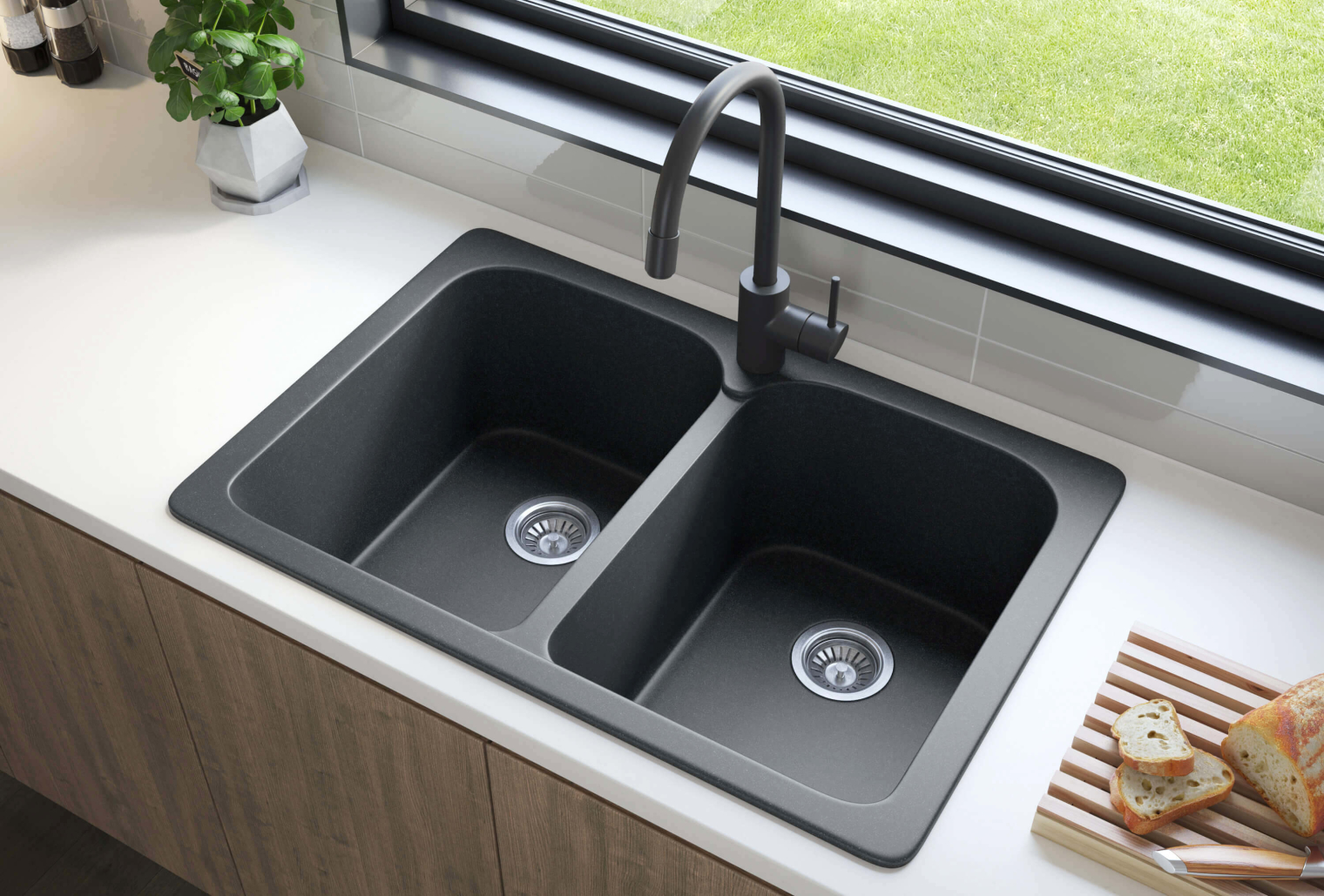
Image Source: res.cloudinary.com
Fathoming the Basic Kitchen Sink Components
Every standard kitchen sink setup has several key kitchen sink components. These pieces work as a team to deliver clean water and take away dirty water. You have the visible part above the counter and the hidden part below.
The Sink Basin: The Heart of the Unit
The sink basin is the bowl shape where you do the washing. Sinks can have one large bowl (single-bowl) or two bowls (double-bowl). Some modern sinks even have three sections.
Choosing the Right Sink Materials
The material chosen for the sink dictates its look, feel, and how long it lasts. Different sink materials suit different needs and budgets.
| Sink Material | Common Appearance | Pros | Cons |
|---|---|---|---|
| Stainless Steel | Bright, metallic | Durable, affordable, easy to clean | Can scratch, noisy |
| Cast Iron (Enamel) | Thick, heavy, colorful | Very tough, great heat resistance | Heavy, enamel can chip |
| Granite Composite | Speckled, matte finish | Very scratch-resistant, quiet | More costly, some color fading |
| Fireclay | Smooth, deep white | Classic look, very durable | Heavy, can crack under hard impact |
For most homes, stainless steel remains the top pick because it is light and lasts a long time.
The Faucet and Its Mounting
The faucet is how water gets into the sink basin. How it attaches is important.
Faucet Mounting Basics
The way the faucet sits on the sink or counter is called faucet mounting. Most sinks have pre-drilled holes for this.
- Deck Mount: The faucet sits right on the sink rim or the countertop behind the sink. This is the most common setup.
- Wall Mount: The faucet pipes come straight out of the wall above the sink. This frees up space on the sink deck.
The faucet itself usually has handles or a single lever to control water flow and temperature.
The Drain System: Where Water Goes
Water cannot stay in the sink. The drain system moves the used water away. This is where a lot of the hidden mechanics live.
The Sink Strainer: Catching the Big Stuff
What stops food scraps from clogging your pipes? The sink strainer. This piece sits in the drain opening of the basin.
Strainers have small holes or slots. They let water pass but catch larger pieces of food or debris. Many strainers can be pushed down to create a temporary seal. This lets you fill the sink with water. When you lift it, the water drains out.
The Drain Assembly: Connecting the Pieces
The drain assembly is the set of pipes and fittings directly below the strainer opening. It connects the sink basin to the main house drain pipes.
This assembly usually includes:
- The tailpiece (the straight pipe piece leading down).
- A gasket or seal to keep water from leaking where the assembly meets the sink bottom.
- A slip nut, which allows you to take the pipes apart for cleaning if needed.
The Role of the Sink Overflow
Not all sinks have one, but many modern sinks include a sink overflow. This is a small hole or slit, usually located near the top rim inside the sink basin.
What is the purpose of the sink overflow? If the main drain is plugged and the water runs too high, the excess water flows into this opening. It directs that water into the main drain line, usually below the primary drain assembly. This prevents a big, messy flood over your kitchen floor. It is a simple but important safety feature.
The Power of the Garbage Disposal
For many modern kitchens, the garbage disposal is a key fixture installed right under one side of the sink basin.
What Is a Garbage Disposal?
A garbage disposal is an electric appliance fixed between the sink’s drain opening and the trap (P-trap). It uses spinning blades or impellers to grind food waste into small particles. These particles are then flushed down the drain pipes with running water.
Installation and Connection
The disposal connects directly to the drain assembly opening, often replacing the standard strainer basket assembly on one side of a double sink. It must be wired correctly into the home’s electrical system, usually controlled by a wall switch near the sink.
Important Safety Note: Never put your hand into a garbage disposal. Always turn off the power at the switch or breaker before trying to look inside or fix a jam.
Deeper Dive into Kitchen Sink Plumbing
The visible parts connect to the larger network of kitchen sink plumbing. This network deals with moving water to and from the sink correctly.
The P-Trap: Keeping Smells Out
Directly under the drain assembly, you will find the P-trap (or U-bend). This curved piece of pipe is vital.
What does the P-trap do? It always holds a small amount of water in its curve after the sink drains. This water plug acts as a seal. It stops foul sewer gases from rising up through the drain and entering your kitchen. If you ever notice a bad smell near the sink, the P-trap might be dry or clogged.
Vents and Pipes
The P-trap connects to the main waste line in the wall. The entire drain system must be properly vented. Plumbing vents allow air into the system. This air pressure keeps the water flowing smoothly down the drain and prevents gurgling sounds. If the vent clogs, drains slow down.
External Accessories and Add-Ons
Beyond the basic plumbing and basin, many other items attach to or sit near the sink.
The Soap Dispenser
Many homeowners prefer a built-in soap dispenser over keeping bottles on the counter. This is an accessory that installs into an extra hole on the sink deck or countertop. It has a small bottle tucked underneath the sink. You simply push down on the top spout to get dish soap or hand soap.
Other Common Accessories
- Sprayers: Some faucets include a separate side sprayer nozzle for rinsing dishes or the sink basin more easily.
- Drain Mats/Racks: These sit inside the sink basin to protect the finish from heavy pots or to let washed items air dry.
- Insinkerator Air Switch: This is a button mounted on the countertop that controls the garbage disposal using air pressure, instead of a standard wall switch.
Installation Factors: Securing the Sink
Installing a sink involves more than just connecting pipes. The whole unit must be secure.
Faucet Mounting and Seal Integrity
When setting up the faucet, the faucet mounting hardware underneath the counter must be tight. If this connection loosens, water can seep under the faucet base. Over time, this moisture can damage the countertop or the cabinet below. Gaskets and plumber’s putty are essential here to create a waterproof seal between the metal faucet base and the sink or counter surface.
Securing the Sink Basin
How the sink basin itself stays in place depends on the type of sink:
- Drop-in (Top Mount): The sink drops into a hole cut in the counter. A rim around the edge rests on the counter surface. Clips are used underneath to pull the rim tight against the counter, sealed with silicone caulk.
- Undermount: The sink is glued and clipped underneath the counter. This creates a seamless look but requires very strong mounting hardware and a durable countertop material like granite or quartz.
Maintenance: Keeping Everything Running Smoothly
Knowing what is in your sink is one thing; keeping it working is another. Regular care prevents costly repairs.
Caring for the Sink Strainer and Drain Assembly
The sink strainer needs regular cleaning. Food particles stuck here can quickly start to smell or cause slow drains. Remove the strainer often and rinse out any trapped debris.
If you have a garbage disposal, never pour grease or coffee grounds down it. Use cold water when operating it. Periodically, grind ice cubes and citrus peels to keep the blades clean and fresh.
Protecting Your Sink Materials
Different sink materials need different care:
- Stainless Steel: Avoid harsh scouring pads which can scratch the finish. Use mild cleaners.
- Enamel/Fireclay: Be careful not to drop heavy, sharp objects, as the coating can chip, exposing the metal or clay underneath.
Checking the Kitchen Sink Plumbing
Periodically check under the sink for signs of trouble. Look for drips or moisture around the drain assembly and the P-trap connections. Even a small leak can lead to mold or wood rot inside the cabinet over time. Tighten any loose slip nuts gently if you spot a minor drip.
Deciphering Material Choices and Longevity
The materials used in all these components affect the overall lifespan of your sink system.
The most common failure points in the system relate to water exposure:
- Seals: Rubber or foam gaskets in the drain assembly can dry out or crack.
- Metal Fatigue: Cheaper metal pipes or fittings can corrode, especially if harsh chemicals are poured down them frequently.
- Sink Overflow Issues: If the channel for the sink overflow gets blocked with soap scum or residue, it won’t work when you need it most. Keep this area clear.
When selecting a new faucet, look at the internal cartridge materials. Brass or ceramic discs inside the faucet last much longer than plastic parts, leading to fewer issues with drips related to faucet mounting and seals.
Summary of Key Sink Zones
To put it all together, think of the sink in three main zones:
Zone 1: Above Counter (Visible)
This includes the sink basin, the faucet, the handles, and sometimes a soap dispenser. This is where aesthetics and daily use meet.
Zone 2: The Drain Interface
This is the transition area. It involves the sink strainer, the drain flange, and the immediate connection point to the disposal or the drain tailpiece. Proper sealing here stops leaks onto your counter.
Zone 3: Below Counter (Plumbing)
This zone contains the drain assembly, the P-trap, the connections to the garbage disposal (if present), and the lines running to the wall vent and waste pipes. This is the domain of the kitchen sink plumbing.
By inspecting each zone regularly—checking for leaks below, keeping the strainers clear, and ensuring the faucet is tight—you keep your kitchen running smoothly.
Frequently Asked Questions About Kitchen Sinks
Q: How often should I clean the garbage disposal?
A: While you use it daily, run ice cubes through it monthly. If you notice odors, grind a mixture of baking soda, vinegar, and citrus rinds (use cold water).
Q: What is plumber’s putty used for?
A: Plumber’s putty is used to create a watertight seal between two non-moving parts, usually where the drain flange meets the bottom of the sink basin, or under the rim of a drop-in sink component. It stays pliable, unlike silicone caulk.
Q: Can I install a garbage disposal if I already have a single-bowl sink?
A: Yes. You simply replace the existing drain assembly in that bowl with the garbage disposal unit. You will lose the ability to plug that side of the sink unless the disposal kit comes with a stopper.
Q: My sink is draining slowly, but the garbage disposal is not running. What should I check first?
A: Check the sink strainer and remove it. If the water still drains slowly, the blockage is likely in the P-trap or further down the drain assembly. If you have a double sink, check the opening between the two bowls if one side is draining into the other.
Q: What is the difference between a basket strainer and a flange?
A: The flange is the metal ring that holds the strainer in place on the sink basin opening. The basket strainer is the removable piece that sits inside that flange to catch debris.
Q: Are wall-mounted faucets harder to repair than deck-mounted faucets?
A: Generally, yes. Deck-mounted faucets have all their working parts accessible from under the sink or countertop. Wall-mounted faucets require accessing the rough-in plumbing inside the wall for major repairs.
Q: Should I use silicone caulk or plumber’s putty for my faucet mounting?
A: For the base of a faucet where it sits on the sink deck, use the rubber or foam gasket provided with the faucet first. If you need an extra seal against water seeping onto the counter, a thin bead of silicone caulk is often preferred over plumber’s putty for better long-term water resistance.