
Yes, you can absolutely organize kitchen cabinets effectively by following simple, proven steps. Organizing your kitchen cabinets involves decluttering, grouping like items, and using smart storage tools to create a system that works for your daily routine. This guide offers expert advice and practical kitchen organization hacks to transform your space, making cooking and cleaning much easier.
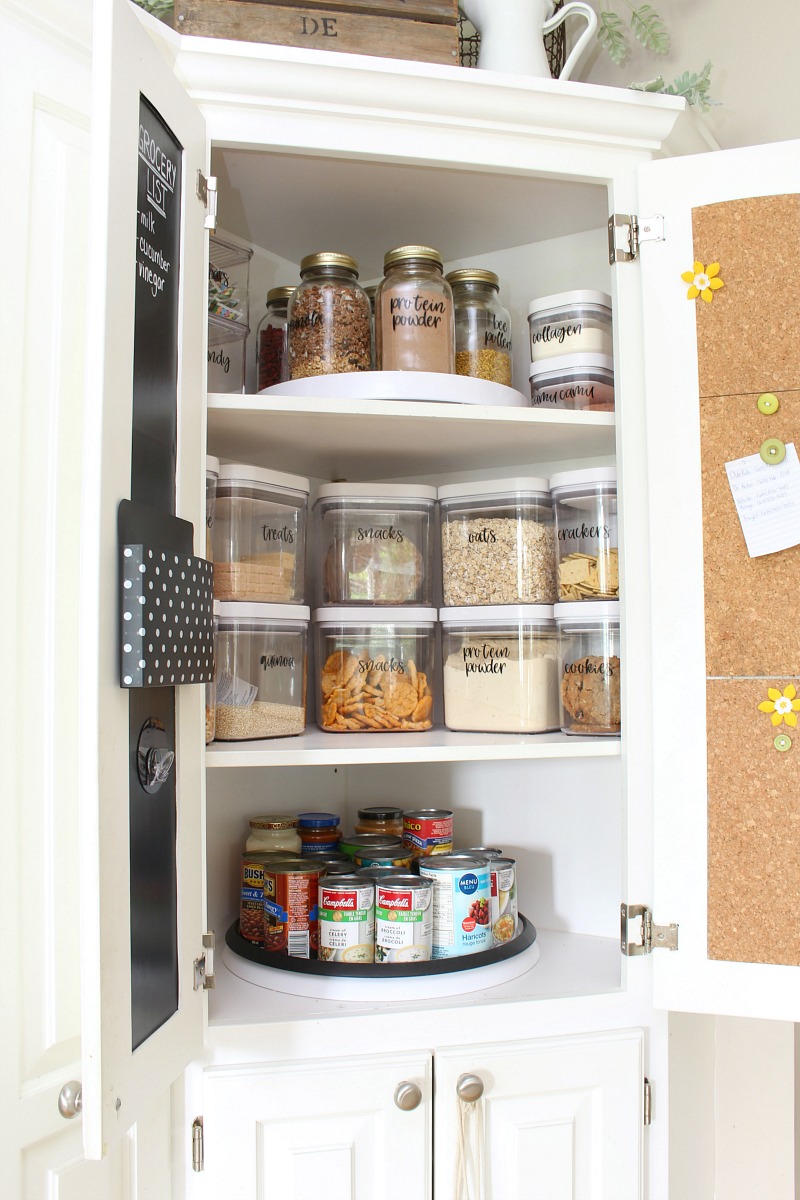
Image Source: www.cleanandscentsible.com
The First Step: A Complete Cabinet Audit
Before you can put things away nicely, you must take everything out. This full audit is the key to long-term success. Throwing everything onto your counter or dining table is the best way to start.
Emptying and Cleaning
Start with one section at a time. Do not try to empty all cabinets at once unless you have a full weekend planned. Empty one shelf or one entire cabinet unit.
- Wipe down every shelf and drawer surface. Use a mild cleaner.
- Check for spills or sticky spots left by old containers.
- Make sure the shelves are completely dry before putting anything back.
Deciding What Stays and What Goes
As you empty things, you must sort them into piles. This sorting phase is crucial for successful cabinet decluttering tips. Be ruthless!
- Keep: Items you use often (weekly or monthly).
- Relocate: Items that do not belong in the kitchen (like spare batteries or tools).
- Donate/Give Away: Duplicates, things you never use, or items in great condition that you simply do not need.
- Toss: Anything broken, missing parts, expired (especially spices or dry goods), or stained beyond repair.
A Note on Expiration Dates: Check dates on all canned goods, boxed mixes, and especially spices. Old spices lose their flavor.
Zoning Your Kitchen for Efficiency
Great kitchen cabinet layouts group items based on how you use them. This concept is called “zoning.” Zoning reduces steps taken while cooking. Think about the major activities in your kitchen: Prep, Cooking, Serving, and Cleaning.
The Prep Zone
This area is usually near your main counter space. It should hold items you use when preparing food.
- Location: Cabinets near the main chopping block or food processor area.
- Items to Store Here: Cutting boards, measuring cups/spoons, mixing bowls, peelers, and often small appliances used for prep (like blenders).
The Cooking Zone
This zone centers around the stove or oven.
- Location: Cabinets immediately above or below the stovetop.
- Items to Store Here: Pots, pans, baking sheets, oven mitts, cooking oils (if not stored near the sink), and commonly used spices. Effective spice rack organization belongs here.
The Cleaning Zone
This area is strictly for items related to washing up.
- Location: Near the sink and dishwasher.
- Items to Store Here: Dish soap, sponges, cleaning sprays, trash bags, and often dish towels. This area usually includes the tricky under sink cabinet storage.
The Serving/Eating Zone
This zone should be near the dining area, if possible.
- Location: Cabinets near the table or where you set the table.
- Items to Store Here: Everyday dishes, glasses, mugs, and flatware.
Mastering Upper Cabinet Storage
Upper cabinets often suffer from awkward stacking. They are great for lighter items or things you use less often.
Deciphering Shelf Space
Use vertical space wisely. Standard shelves waste air space above shorter items.
- Use Shelf Risers: These wire or plastic inserts instantly double the usable space on a single shelf. They are perfect for stacking plates or bowls without creating too high of a stack that might tip over.
- Store Glassware High: If you have tall ceilings, use the very top shelf for seasonal glassware (like holiday punch bowls) or extra mugs you don’t use daily.
Utilizing Doors
Cabinet doors are often forgotten storage spots.
- Hanging Organizers: Small wire baskets can attach to the inside of cabinet doors (using screws or strong adhesive strips) to hold things like aluminum foil, plastic wrap boxes, or small spice jars. This is great for maximizing kitchen storage.
Tackling Lower Cabinets and Drawers
Lower cabinets are deep and dark, which means items easily get lost in the back. Drawers need careful planning to prevent messy piles.
Deep Drawer Organization Systems
Drawers must be compartmentalized. Loose items become jumbled quickly. Investing in good drawer organization systems is vital here.
| Drawer Type | Recommended Contents | Essential Tool |
|---|---|---|
| Utensil Drawer | Forks, knives, spoons, large serving spoons | Expandable dividers or fitted trays |
| Prep Drawer | Graters, can openers, whisks, vegetable peelers | Deep-set dividers to keep taller items upright |
| Linens Drawer | Dish towels, placemats, oven mitts | File folding (like KonMari) to see everything at once |
Making Lower Cabinets Accessible
Deep cabinets require pull-out solutions for efficient kitchen storage solutions.
- Roll-Out Drawers/Baskets: Install sliding hardware underneath existing shelving. This allows you to pull the entire shelf out, bringing items from the back to the front easily. These are fantastic for pots and pans or small appliances.
- Lazy Susans (Turntables): Corner cabinets are the hardest to manage. A large, rotating Lazy Susan brings items stored deep in the corner right to you. Use them for oils, vinegars, or small appliances like mixers.
Specialized Storage: The Pantry and Spice Area
Pantry organization ideas require a different strategy than utensil drawers. Food items need clear visibility and good air circulation.
Organizing Food Pantry Shelves
The goal in the pantry is “first in, first out” (FIFO). You want to see what you have so older food gets used first.
- Decant Dry Goods: Transfer items like flour, sugar, rice, pasta, and cereal into clear, airtight containers. This keeps pests out, keeps food fresh longer, and lets you see exactly how much you have left.
- Use Bins for Grouping: Group similar items into clear, labeled bins. For example, one bin for “Baking Supplies” (chocolate chips, sprinkles), one for “Snacks,” and one for “Dinner Mixes.” This is key for successful organizing food pantry sections.
- Label Everything Clearly: Labels should include the item name and the expiration date (written on the bottom of the container with a dry-erase marker).
Spice Rack Organization Strategies
Spices should be easily visible and accessible near the stove for cooking.
- Vertical Storage: If space is tight, use tiered risers inside a cabinet. This lets you see the labels on the second and third rows.
- Door Mounting: For small kitchens, mounting a narrow spice rack organization system on the inside of a cabinet door saves valuable shelf space.
- Uniform Jars: Decanting spices into matching jars creates visual calm and makes finding spices faster.
Conquering the Dreaded Under Sink Cabinet Storage
The area beneath the sink is often a nightmare of cleaning products, garbage bags, and plumbing pipes. It demands clever solutions.
- Assess Plumbing Obstructions: Notice where the pipes are. You cannot put a deep drawer where the pipes go. Design your storage around the U-shape created by the plumbing.
- Tiered Solutions: Use U-shaped shelves or tiered organizers that fit around the pipes. These are specifically designed for this awkward space.
- Contain Chemicals Safely: All cleaning supplies must be kept in sturdy, often lidded, bins. This prevents leaks from mixing and ensures safety, especially if you have pets or small children who might reach inside. Dedicate one bin only for cleaning sprays and another for sponges/rags. This elevates under sink cabinet storage from a mess to a functional system.
Storing Cookware: Pots, Pans, and Lids
Cookware is bulky and heavy, requiring sturdy solutions.
Managing Pots and Pans
Heavy stacks lead to shoulder strain and crashes.
- Vertical Dividers: Install metal dividers vertically in a lower cabinet. You can slide pots, pans, and baking sheets in sideways like files in a cabinet. This prevents the need to lift heavy stacks.
- Nesting Wisely: If you must stack, keep only three similar-sized items nested together. Place the largest, least used items (like stock pots) on the bottom.
Lid Control
Lids are often the biggest source of chaos.
- Cabinet Door Racks: Mount tension rods or specialized lid racks on the inside of the cabinet door where the pots are stored. This keeps lids upright and separate.
- Drawer Inserts: A dedicated drawer with pegboard or custom inserts can hold lids flat or slightly angled for easy grabbing.
Small Appliances: Where Do They Live?
Microwaves, toasters, and mixers take up huge amounts of real estate.
- The “Use Frequency” Rule:
- Daily Use (Toaster, Coffee Maker): Keep these on the counter in their dedicated zone. Maximizing kitchen storage means accepting that high-use items might need a permanent spot on the counter.
- Weekly Use (Blender, Food Processor): Store these in an easily accessible lower cabinet or deep drawer near the prep zone, preferably on a sliding shelf if possible.
- Monthly/Seasonal Use (Waffle Maker, Ice Cream Maker): These belong on the highest shelves, tucked away in labeled storage bins.
Maintaining Your Organized Kitchen Cabinets
Organization isn’t a one-time event; it’s a system that needs upkeep.
The 15-Minute Tidy Rule
Spend 15 minutes at the end of the week putting misplaced items back in their designated zone. Do not let items drift. If you use a mixing bowl, put it back in the prep zone right after you clean it.
Regular Review
Schedule a mini-declutter session every three to six months. This is when you check expiration dates again and see if your current setup is still serving you well. Life changes, and so do your cooking habits, so your system needs to adapt.
Table: Summary of Efficient Kitchen Storage Solutions
| Area | Common Problem | Expert Solution | LSI Keyword Focus |
|---|---|---|---|
| Upper Cabinets | Wasted vertical space | Use shelf risers and stack short items | Maximizing kitchen storage |
| Lower Cabinets | Items lost in the back | Install heavy-duty roll-out shelves | Efficient kitchen storage solutions |
| Drawers | Messy mixed items | Use fitted, adjustable drawer dividers | Drawer organization systems |
| Pantry | Hidden expired goods | Decant into clear, labeled, airtight containers | Organizing food pantry |
| Spice Storage | Hard to see labels | Implement tiered racks or door mounts | Spice rack organization |
| Sink Base | Plumbing obstructions | Use U-shaped or circular tiered organizers | Under sink cabinet storage |
Frequently Asked Questions (FAQ)
Q: How often should I completely empty my kitchen cabinets?
A: You should do a full empty and audit (the deep clean) once or twice a year. For maintenance, a quick 15-minute tidy once a week keeps things running smoothly.
Q: What is the best way to store plastic food containers?
A: Store the containers nested together (largest to smallest) in a single cabinet or deep drawer. Store all the lids vertically, using tension rods or specialized dividers mounted inside a cabinet door, keeping them separate from the bases.
Q: Can I use decorative bins for general storage?
A: Yes, but only if they fit your kitchen style. More importantly, ensure they are sturdy and easily pulled out. If you use solid bins, you must label the front clearly so you remember what is inside, which is vital for kitchen organization hacks.
Q: Where should I keep my cleaning supplies if I don’t have much space under the sink?
A: If the under sink cabinet is too crowded, look for a narrow, tall utility cabinet elsewhere in the kitchen or laundry room. If you must keep them under the sink, use vertical organizers that utilize the height above the pipes.
Q: My kitchen cabinet doors are sagging; how does this affect my organization?
A: Sagging doors mean the hinges are loose. Fix the hinges first. Loose doors put stress on the cabinet frames and can cause shelves to shift or contents to fall out when the door opens, making any cabinet decluttering tips temporary.