
What is the best way to get rid of gnats in the kitchen? The best way to get rid of gnats in the kitchen involves a multi-step approach: finding the source, removing breeding grounds, setting traps, and using safe removal methods.
Kitchen gnats are a major nuisance. They buzz around your fruit bowl and float near the sink. Dealing with them takes time and effort. But don’t worry. You can win this tiny battle. This guide will show you how to kick these pests out for good.
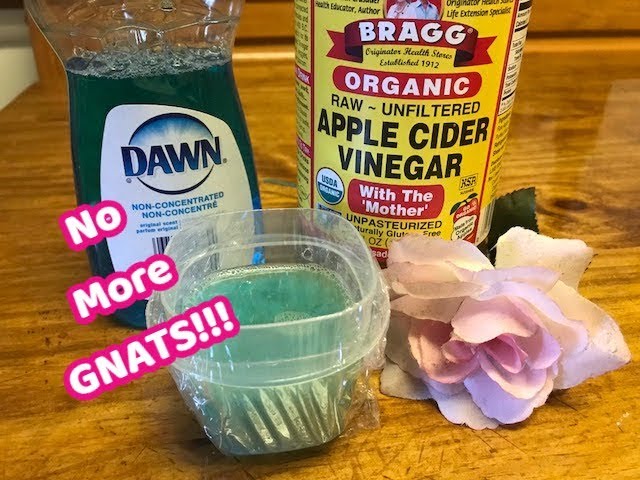
Image Source: i.ytimg.com
Pinpointing the Source of Your Gnat Problem
Before you fight the visible gnats, you must find where they come from. If you only kill the adults, more will hatch tomorrow. Gnats need moisture and decaying organic matter to lay eggs. Finding the source stops the cycle.
Common Hiding Spots for Kitchen Gnats
Gnats look similar, but different types breed in different places. Knowing the type helps you target the cleanup.
- Fruit and Produce: Overripe bananas, potatoes left in a dark cupboard, or old onions are prime targets. This often leads to a fruit fly infestation.
- Drains and Garbage Disposals: Slow drains or food scraps stuck in the disposal create sludge where pests thrive. These can turn into drain flies in kitchen issues.
- Potted Plants: Overwatered house plants hold damp soil. This dampness is perfect for tiny insects. If you see tiny black specks hovering over your soil, you likely need to eliminate fungus gnats.
- Spills and Trash Cans: Sticky spills under appliances or trash cans that aren’t emptied often breed gnats.
Setting Effective Traps for Adult Gnats
Once you address the breeding spots, you need to catch the adult gnats flying around. Traps use bait to lure them in, trapping them so they cannot reproduce.
The Classic Vinegar Gnat Trap
The vinegar gnat trap is simple and highly effective against fruit flies and many small household gnats.
How to Make a Simple Trap:
- Get a small jar or bowl.
- Pour in about one inch of apple cider vinegar. This smells sweet to gnats.
- Add one or two drops of dish soap. The soap breaks the surface tension of the vinegar. Without soap, the gnats can land on the liquid and fly away. With soap, they sink.
- Cover the top tightly with plastic wrap.
- Poke a few very small holes in the plastic wrap using a toothpick. The holes must be big enough for a gnat to enter but small enough that they struggle to find the exit.
This setup makes a great homemade fly trap. Place these near where you see the most activity, like near the fruit bowl.
Other DIY Traps
Not all gnats like vinegar. Sometimes you need variety to catch them all.
| Trap Type | Bait Used | Target Pests | Notes |
|---|---|---|---|
| Red Wine Trap | Small amount of old red wine | Fruit flies | Very attractive to those that like fermentation smells. |
| Honey/Sugar Trap | Sugar water mixed with yeast | General gnats | Simple food source attraction. |
| Sticky Traps | Pre-made yellow sticky paper | Various flying insects | Place near windows or high-activity areas. |
Deep Cleaning: Eradicating Breeding Grounds
Traps handle the adults, but deep cleaning handles the next generation. This is the most important step for long-term control.
Tackling the Sink and Drains
If you suspect drain flies in kitchen are part of your problem, the sludge inside your pipes is the culprit. These flies breed in the slimy film lining the pipes.
Steps to Clean Drains:
- Scrub Visible Areas: Use an old toothbrush and hot, soapy water to scrub around the disposal flange and drain opening.
- Use Heat: Pour boiling water slowly down the drain. Do this several times over an hour. This melts some of the grease and sludge.
- Enzyme Action: The best approach uses an enzymatic cleaner. Look for a drain cleaner for gnats. These products contain beneficial bacteria that eat the organic waste stuck in your pipes, removing the food source for the larvae. Do not use harsh bleach, as it might not clean the deeper sludge effectively.
- Night Treatment: Apply the enzymatic cleaner right before bed when the drain won’t be used for several hours.
Managing Produce and Trash
Be meticulous about what you leave out.
- Inspect All Produce: Immediately check any new produce you bring home. A single piece of mushy fruit can start a huge fruit fly infestation. Store ripe bananas in the fridge if necessary.
- The Potato Trap: If you suspect root vegetables are the issue, check your pantry. Remove any soft, rotting potatoes or onions.
- Trash Management: Use small bags for kitchen trash and take them out daily, especially if you dispose of food scraps. Rinse out your recycling bin regularly; sticky soda residue attracts gnats.
Dealing with Fungus Gnats on Houseplants
If the pests are mainly hovering around your green friends, you need specific steps to eliminate fungus gnats. Fungus gnats thrive in overly wet soil where fungus grows, which feeds their larvae.
Soil Management Techniques
- Let the Soil Dry Out: This is key. Water your plants less frequently. Allow the top two inches of soil to become completely dry between waterings.
- Repotting Option: If the infestation is severe, gently remove the plant from its pot. Shake off most of the old soil and repot it in fresh, dry potting mix.
- Solarization: Place the plant (still in its pot) outside in direct, hot sunlight for a few hours. The heat can help kill surface larvae and dry out the top layer of soil.
Natural Control for Plant Gnats
For ongoing plant care, consider natural gnat repellents applied to the soil surface.
- Sand or Diatomaceous Earth (DE): Sprinkle a thin layer of horticultural sand or food-grade DE over the topsoil. DE is a fine powder made of fossilized algae. It scratches the gnats’ outer layer, causing them to dehydrate. It is safe for pets and humans when used correctly on soil.
- Mosquito Bits (BTI): These bits contain Bacillus thuringiensis israelensis (BTI). When added to water, BTI kills gnat larvae when they drink it, but it is harmless to plants, pets, and humans.
Chemical Options and When to Use Them
While natural methods are usually best for kitchens, sometimes a heavy population needs a stronger approach. Use chemical options with extreme caution in food preparation areas.
Selecting the Best Gnat Spray
If you must use a spray, choose one designed for indoor use and ensure it is food-safe or label-approved for kitchens after food preparation surfaces have been thoroughly washed.
- Pyrethrin-Based Sprays: These derived-from-chrysanthemum sprays offer quick knockdown. However, they are toxic and require you to vacate the room, ventilate well, and clean all surfaces afterward. They are generally not the best gnat spray for daily kitchen use.
- Residual Sprays: Avoid these entirely in food areas. They leave a residue that lasts for weeks.
Considering a Gnat Fogger Kitchen Use
A gnat fogger kitchen application is usually overkill and unsafe for the typical home kitchen. Foggers disperse insecticide over a wide area, coating everything, including countertops, dishes, and food storage areas. If you have a massive, uncontrolled outbreak, hire a professional exterminator instead of using a consumer fogger indoors. Professionals use targeted, lower-risk treatments.
Long-Term Prevention: Stopping Gnats Before They Start
The true “best way” to handle gnats is to never have them in the first place. Preventing kitchen gnats requires consistent habits.
Routine Maintenance Checklist
Consistency beats intensity when it comes to pest control.
- Daily Wipe Downs: Wipe down counters, stovetops, and dining tables every night. Remove crumbs and sticky residue immediately.
- Rinse Containers: Rinse all soda cans, wine bottles, and juice containers before placing them in the recycling bin.
- Compost Management: If you keep an indoor compost pail, empty it daily or keep it tightly sealed and move it outside frequently.
- Air Flow: Gnats prefer stagnant, humid air. Use your kitchen fan while cooking and open a window occasionally to improve air circulation.
- Seal Entry Points: Check window screens for small tears. While most kitchen gnats breed indoors, some can enter from outside.
Fruit Storage Strategy
How you store food is vital for preventing kitchen gnats.
- Refrigerate fruit that ripens quickly, like tomatoes, bananas (which may ripen strangely but won’t attract bugs), and berries.
- Keep onions and potatoes in cool, dry, dark pantries, checking them weekly for soft spots.
- Wash all fruits and vegetables right when you bring them home. Sometimes, tiny eggs are already on the skin.
Advanced Tactics for Persistent Pests
If you have tried everything and still see a few persistent gnats, here are a few advanced, non-chemical options.
The Bleach Myth vs. Reality
Many people ask if pouring bleach down the drain will kill the larvae. While bleach is a harsh chemical, it often flows too fast past the sticky organic matter where the larvae hide. It usually does not sit long enough to be effective against drain flies in kitchen larvae deep in the pipe walls. Enzymatic cleaners are usually much better for this specific problem.
Using Fans to Deter Flight
Gnats, especially fruit flies, are weak flyers. If you notice them clustering, aim an oscillating fan in their direction. The constant breeze makes it impossible for them to land, feed, or mate successfully, often driving them out of the area entirely.
Summary of Action Plan
To achieve true relief from kitchen gnats, follow this sequence:
- Locate and Remove: Find every source of moisture and decay (old food, damp soil, dirty drains).
- Set Traps: Deploy multiple vinegar gnat trap stations to catch active adults.
- Treat Drains: Use a quality drain cleaner for gnats (enzymatic type) on all sink drains.
- Maintain Hygiene: Adopt daily cleaning habits to ensure no new food sources appear.
By combining source removal, trapping, and careful maintenance, you can successfully eliminate fungus gnats, fruit flies, and drain flies from your kitchen environment.
Frequently Asked Questions (FAQ) About Kitchen Gnats
Q: Are kitchen gnats dangerous to humans or pets?
A: Generally, no. Kitchen gnats, including fruit flies and fungus gnats, are more of a nuisance than a health threat. They do not bite or sting humans or pets. However, they can contaminate food surfaces if they land on open food.
Q: How fast do gnats reproduce?
A: The life cycle is very fast, especially in warm kitchen environments. Some fruit flies can go from egg to adult in as little as 7 to 10 days. This rapid reproduction is why you must eliminate the breeding source quickly.
Q: Can I use a gnat fogger kitchen if I have severe problems?
A: It is highly discouraged. Foggers can leave residues on food surfaces and require you to evacuate your home temporarily. It is safer to hire a professional pest control operator if the problem is severe, or focus intensely on the traps and deep cleaning methods listed above.
Q: What is the difference between a fruit fly and a fungus gnat?
A: Fruit flies usually hover around ripe fruit, vinegar, or garbage cans, and are often reddish-brown. Fungus gnats are usually small, black flies attracted to damp soil in houseplants.
Q: I cleaned my drain, but the flies are back. What now?
A: If you used bleach or soap, the slime layer likely remains. You need a specialized drain cleaner for gnats (enzymatic or bacterial cleaner) that digests the biofilm deep inside the pipe. Also, re-check the overflow drain in your sink, as gunk collects there too.