
Yes, nearly every kitchen sink in modern plumbing systems must have a P-trap. The main job of this curved pipe section is to hold a small amount of water. This water acts as a seal. It stops bad smells and sewer gases from coming up through your drain.
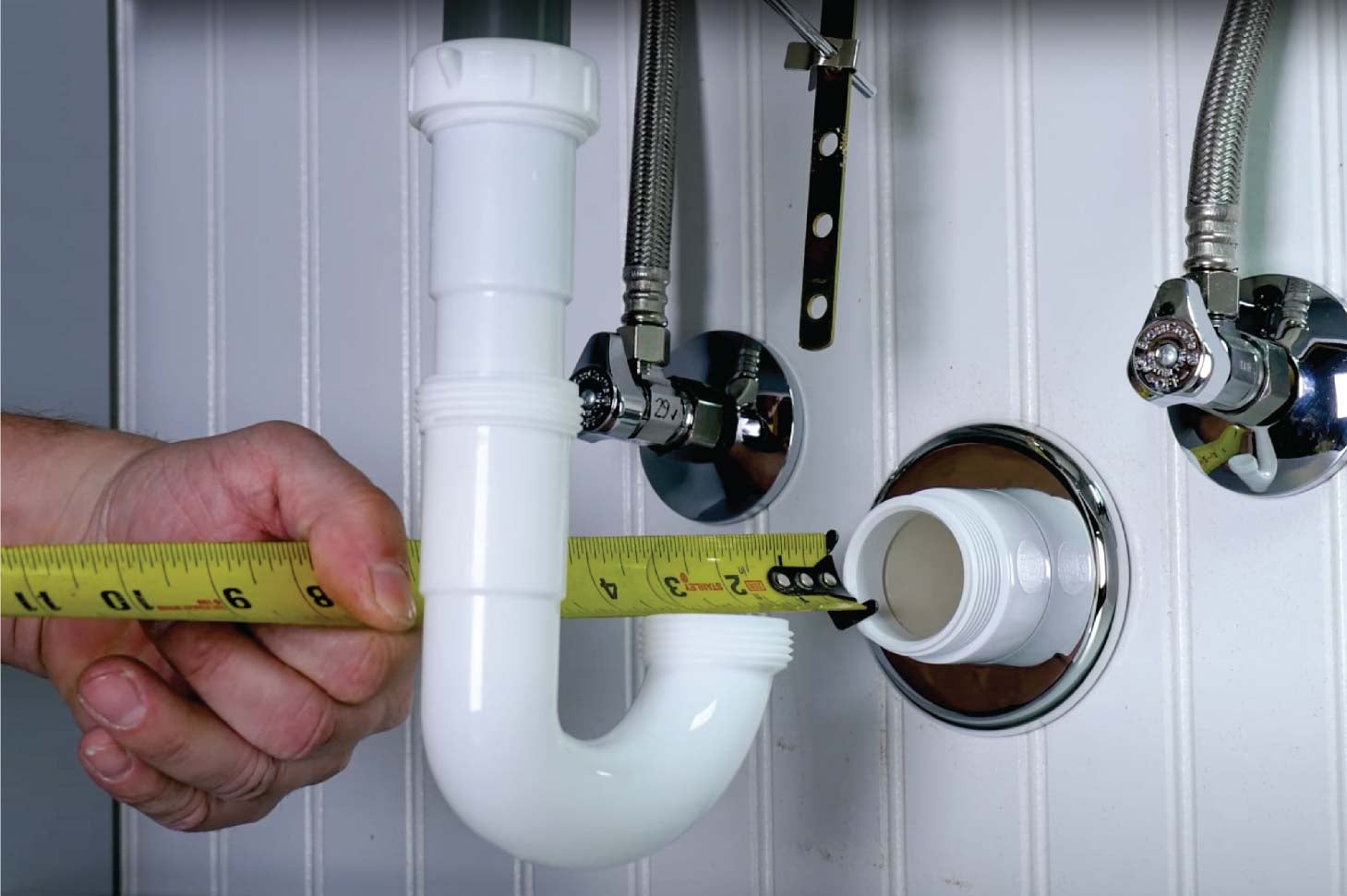
Image Source: www.oatey.com
The Essential Role of the Plumbing Trap Under Kitchen Sink
The plumbing system in your home is complex. It moves wastewater away safely. But this system connects to the vast sewer network. That network can produce gases that smell terrible and are sometimes harmful. This is where the P-trap becomes vital.
What is a P-trap for a Sink?
A P-trap is a curved piece of pipe located right beneath your sink basin. It gets its name because it looks like the letter ‘P’ lying on its side when viewed from the side.
Function of a P-trap in Plumbing
The primary function of a P-trap in plumbing is simple: water retention. After you use your sink, a small amount of water stays trapped in the U-shaped bend. This standing water forms a barrier. This barrier stops sewer gases from moving backward up the drainpipe and into your kitchen. Without this seal, your kitchen would smell very unpleasant.
Kitchen Sink Trap Purpose: More Than Just Odor Control
While stopping odors is the most noticed benefit, the kitchen sink trap purpose extends slightly further.
- Odor Blockade: As mentioned, it blocks noxious sewer gases.
- Debris Catchment: The trap’s curve can catch small, heavy items you accidentally drop down the drain. Think of a lost ring or a small screw. If you need to retrieve it, it will usually be resting in the P-trap.
- Preventing Pest Entry: The water seal can also help deter small sewer insects from traveling up the pipes.
Identifying P-trap Under Sink: What Does It Look Like?
If you look under the sink plumbing P-trap, you will see a distinctive shape. It has three main parts that form the ‘P’ shape:
- The Inlet: Connects directly to the sink drain opening (tailpiece).
- The Bend (or U-bend): This is the curved section that holds the water seal.
- The Outlet (or Trap Arm): This pipe section goes horizontally into the wall, connecting to the main drain system (the waste pipe).
The material of the trap can vary. Older homes might have metal traps (brass or chrome). Newer installations mostly use durable plastic piping, usually PVC or ABS.
| Trap Component | Material Examples | Primary Role |
|---|---|---|
| Inlet Pipe | Plastic or Metal | Connects to sink drain |
| U-Bend | Plastic (PVC/ABS) or Metal | Holds the water seal |
| Trap Arm | Plastic or Metal | Leads to the main drain line |
Does Every Sink Have One? Exploring Kitchen Drain Trap Requirements
The short answer is a resounding yes, according to nearly all modern building codes. But why must they be present?
Why is a P-trap Necessary in Residential Plumbing?
The necessity stems from health and safety. Sewer gases contain methane, hydrogen sulfide (rotten egg smell), and other compounds. Hydrogen sulfide is not only foul-smelling but can be dangerous in high concentrations. Building codes mandate traps to protect occupants.
Do All Plumbing Fixtures Need a Trap?
Yes, almost every plumbing fixture that connects to a sanitary sewer system needs its own trap. This includes:
- Kitchen sinks
- Bathroom sinks
- Bathtubs and showers
- Laundry tubs
- Floor drains (though these often use specialized deep traps)
The only common exceptions are fixtures that already have an integral trap built into the fixture itself, like a toilet.
Local Plumbing Codes and P-trap Installation Kitchen Drain
Local kitchen drain trap requirements are governed by state and municipal plumbing codes. These codes specify the size, shape, and connection methods for the trap.
For kitchens, the standard size for the drain pipe and thus the P-trap is typically 1.5 inches in diameter. This larger size helps handle food debris better than the smaller 1.25-inch traps often used for bathroom sinks.
P-trap installation kitchen drain procedures are regulated to ensure the trap arm slopes correctly toward the main waste line. This slope allows water to drain quickly while maintaining the water seal.
Maintenance and Troubleshooting: Dealing with the Trap
Because the P-trap is the lowest point in the drain line near the fixture, it is the most common place for clogs to form.
Common Issues with the Under Sink Plumbing P-trap
When your sink drains slowly or backs up, the P-trap is the first place a plumber checks.
- Clogs: Grease, soap scum, coffee grounds, and food particles often settle in the U-bend. This builds up over time, restricting flow.
- Leaks: Poorly sealed joints or corrosion (in metal traps) can cause slow drips, usually visible underneath the cabinet.
- Siphoning/Evaporation: If the trap seal is lost, sewer gases can enter. This usually happens if a sink isn’t used often (evaporation) or if the venting system is faulty (siphoning).
How to Clear a Clog in the P-trap
If you notice slow drainage, clearing the plumbing trap under kitchen sink is often the first DIY step.
- Step 1: Preparation: Place a bucket directly under the P-trap to catch water and debris.
- Step 2: Loosen the Slip Nuts: The trap is held together by large, hand-tightened nuts called slip nuts. Carefully loosen these nuts on both ends of the U-bend.
- Step 3: Remove and Clean: Carefully remove the U-shaped section. Empty the contents into the bucket. Use an old toothbrush or a wire hanger to scrape out any stuck grime inside the pipe.
- Step 4: Reassemble: Put the trap back together, ensuring the slip nuts are hand-tightened securely. Do not overtighten, especially with plastic traps, as this can crack the fitting.
- Step 5: Test: Run water slowly at first, then fully, to check for leaks around the joints.
Understanding Trap Depth and Seal Integrity
The effectiveness of the trap depends on maintaining the proper water depth in the U-bend.
- Minimum Seal Depth: Codes usually require a minimum trap seal depth, often 2 inches. This ensures a robust barrier against gases.
- Siphoning: If the vent pipe connected to your drain system is blocked or incorrectly sized, the rush of draining water can suck the water right out of the trap. This is called self-siphoning and defeats the trap’s purpose. A properly designed venting system is crucial for the function of a P-trap in plumbing.
Venting Systems: The P-Trap’s Necessary Partner
A P-trap cannot work correctly in isolation. It needs a properly functioning drain-waste-vent (DWV) system.
How Venting Supports the Trap
The vent pipe runs upward from the drain line, usually connecting near the P-trap before rising through the roof.
- Air Pressure Equalization: When water rushes down a drain, it creates a vacuum behind it. The vent pipe lets outside air in to replace the displaced water volume.
- Protecting the Seal: This influx of air prevents the vacuum from pulling the water seal out of the P-trap. A good vent keeps the atmospheric pressure constant, ensuring the water stays put.
If a sink drains slowly, and you notice gurgling sounds from the drain, the problem might not be the P-trap itself, but a blocked vent pipe higher up.
Sizing Considerations for P-trap Installation Kitchen Drain
Correct sizing is non-negotiable for code compliance and efficiency. Using the wrong size can cause backups or allow gases through.
Pipe Diameter
As noted, standard kitchen sink drains use 1.5-inch diameter piping. Bathroom sinks typically use 1.25 inches. Using a 1.25-inch trap on a kitchen sink, even if it fits, will lead to frequent clogging because food waste is larger.
Bend Radius and Slope
When installing the trap arm—the horizontal section leading into the wall—the slope matters greatly.
- Slope Requirement: The pipe must slope downward toward the main drain line. Most codes require a minimum of 1/4 inch of drop for every foot of horizontal pipe.
- Avoid Over-Correction: While a slope is needed, making the slope too steep can cause the water to rush too fast, leaving solids behind, which eventually clog the trap.
Beyond the Standard P-Trap: Alternative Trap Styles
While the P-trap is dominant for kitchen sinks, plumbing design offers alternatives, though they must perform the exact same sealing function.
The S-Trap (An Obsolete Design)
Older homes might sometimes feature an S-trap. This design curves down, then curves back up sharply before going into the wall, forming an ‘S’ shape.
Why S-Traps are Banned: S-traps are highly prone to self-siphoning. The rapid downward flow of water easily sucks the seal out of the trap, leaving the drain open to sewer gases. Modern codes strictly prohibit new S-trap installations.
The Bottle Trap (Common in Commercial/Modern Settings)
A bottle trap is more compact and cylindrical. It uses a central tube to maintain a water seal at the base.
- Pros: They are often aesthetically pleasing, making them popular for pedestal sinks or modern minimalist kitchens where the plumbing is exposed.
- Cons: They tend to trap debris more easily than a standard P-trap and can be harder to clean out without specialized tools.
When considering aesthetics, ensure that any chosen trap meets local requirements for kitchen drain trap requirements regarding seal depth and cleanout access.
Safety First: Working with Your Plumbing
When you are attempting to locate or clean the plumbing trap under kitchen sink, safety is paramount.
Preparation Checklist
- Shut Off Water Supply: Turn off the hot and cold water valves under the sink, just in case.
- Clear the Area: Remove all cleaning supplies and items from under the cabinet to give yourself room to work.
- Use Protection: Wear old clothes and gloves.
- Have a Bucket Ready: Essential for catching wastewater when dismantling the trap.
Dealing with Chemicals vs. Mechanical Cleaning
Many people reach for chemical drain cleaners first. This is usually a mistake when dealing with a clog in the P-trap.
- Chemicals may corrode older metal traps.
- They often don’t dissolve heavy grease clogs effectively.
- If the chemical sits in the standing water of the trap, it can splash back onto you when you open it.
Mechanical cleaning—snaking the line or physically removing the trap—is almost always superior for P-trap issues.
Fathoming the Need for Maintenance
Regular minor maintenance prevents major plumbing emergencies. Since the P-trap catches everything, it needs periodic attention.
Preventing Grease Buildup
Grease is the number one enemy of the P-trap. When hot grease goes down the drain, it flows easily. As it cools inside the trap, it solidifies, trapping food scraps and soap scum.
- Best Practice: Never pour cooking oil or grease down the kitchen sink. Pour it into an old can, let it solidify, and throw it in the trash.
- Periodic Flush: Once a month, pour a kettle of very hot (but not boiling) water down the drain to help keep minor grease deposits moving along the trap arm.
When to Call a Professional Plumber
If you clean the P-trap and the sink still drains slowly, the blockage is likely past the trap, further down the main drain line. This requires a longer drain snake or professional auger. If you see constant leaking after reassembly, the threads or washers may be damaged, requiring professional attention to prevent cabinet rot.
The P-Trap and Modern Garburators (Disposals)
Many modern kitchens have a garbage disposal unit mounted directly beneath the sink drain. How does this affect the P-trap?
The garbage disposal replaces the standard tailpiece connected directly to the sink bowl. The drain outlet from the disposal unit then connects directly to the P-trap.
- Disposal Sizing: Disposals usually drain into a 1.5-inch connection, which feeds seamlessly into the standard 1.5-inch P-trap.
- Code Compliance: Even with a disposal, the P-trap remains mandatory. The disposal grinds food, but the resulting slurry still needs the water seal provided by the trap to block sewer gases.
Summarized Answer to Key Questions
| Question | Direct Answer | Relevance to Kitchen Drains |
|---|---|---|
| What is a P-trap for a sink? | A curved pipe section that holds a water seal. | Essential for blocking sewer gases from entering the kitchen. |
| Do all plumbing fixtures need a trap? | Yes, virtually all fixtures connecting to the sewer must have one. | Kitchen sinks must comply with this universal plumbing rule. |
| Why is a P-trap necessary? | To create a water barrier against sewer gases and odors. | Necessary for a healthy, odor-free living environment. |
| Can I remove the P-trap? | No, removing it violates almost all building codes and creates health hazards. | Removing it allows toxic sewer gases into your home. |
Deciphering the Structure: A Code Compliance Snapshot
To ensure your kitchen plumbing is correct, check these points against local regulations:
- Material: PVC, ABS, or approved metal.
- Size: Must match the fixture outlet size (1.5 inches for kitchens).
- Seal: Must maintain at least a 2-inch water seal.
- Vent Connection: Must connect to a functional drain-waste-vent system.
- Cleanout Access: Often required to have an accessible cleanout plug, though many standard kitchen traps rely on the slip nuts for access.
The integrity of the P-trap is the crucial link between your private plumbing and the public sewer system. It is a simple component designed to perform a critical public health function.
Frequently Asked Questions About Kitchen Sink Traps
Q: Can I use an S-trap under my kitchen sink instead of a P-trap?
A: No. S-traps are prone to siphoning, which removes the essential water seal, allowing sewer gases to enter your kitchen. Modern plumbing codes strictly forbid S-trap installations for this reason.
Q: My kitchen sink has a disposal. Does the disposal unit replace the P-trap?
A: No. The garbage disposal unit replaces the tailpiece immediately under the sink drain, but the P-trap must still be connected to the disposal’s outlet pipe. The trap is always required after the disposal unit.
Q: How often should I clean the P-trap?
A: If you use your sink daily and avoid pouring grease down it, the P-trap might only need cleaning every few years, or when you notice slow draining. If you frequently put large amounts of food waste down the drain, annual checks are a good idea.
Q: What is the difference between a P-trap and an S-trap?
A: The P-trap curves down and then goes horizontally into the wall (the trap arm). The S-trap curves down and then immediately curves back up before entering the wall, creating an unstable water seal that easily siphons dry.
Q: If I smell sewer gas, is it always the P-trap that is the problem?
A: Not always. A bad smell could mean the trap seal is dry (if the sink isn’t used often). However, if the seal is wet and you still smell gas, the issue is often a blocked vent pipe, which prevents the trap from holding its seal correctly.