
Can I remove a kitchen faucet myself? Yes, you can absolutely remove a kitchen faucet yourself with basic tools and a little patience. This guide will walk you through every step needed for a smooth removal, whether you are preparing for a faucet replacement or tackling a leaky faucet repair.
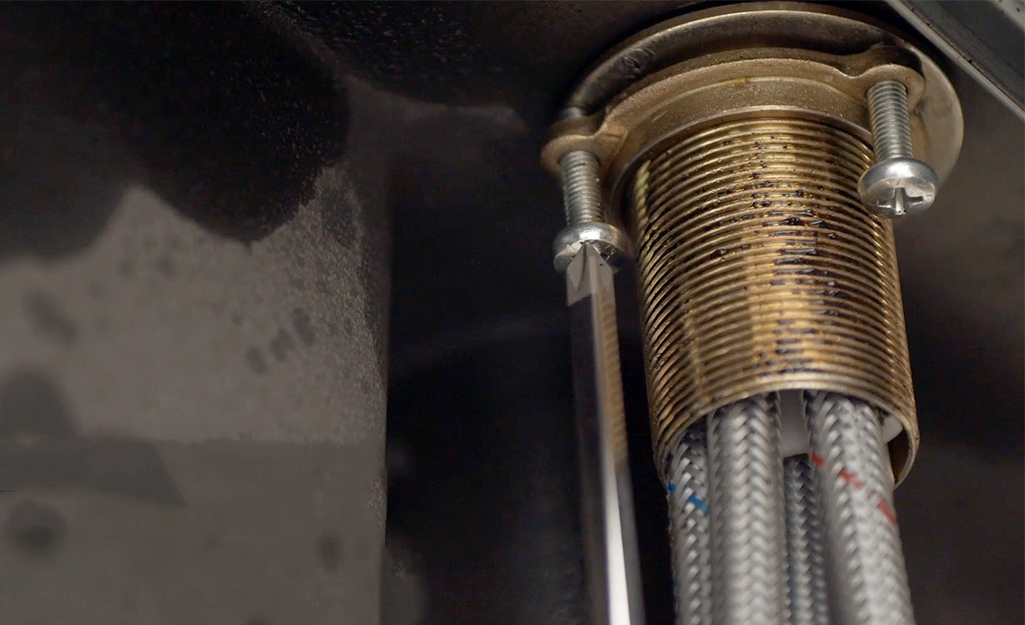
Image Source: contentgrid.homedepot-static.com
Preparing for Faucet Removal
Before you start twisting any nuts, good preparation saves time and prevents messes. Taking the right steps upfront makes dealing with sink plumbing much easier.
Necessary Tools and Supplies
Gathering your plumbing tools for faucets beforehand is key. You might need a few specialized items, but most are common household tools.
| Tool/Supply | Purpose |
|---|---|
| Safety Glasses | Protect your eyes from falling debris or drips. |
| Bucket or Basin | Catch any residual water when disconnecting lines. |
| Towels or Rags | Clean up spills under the sink. |
| Adjustable Wrench | For general turning of supply line nuts. |
| Basin Wrench (or under sink wrench use) | Essential for reaching tight nuts behind the sink. |
| Screwdriver (Flathead and Phillips) | To remove mounting hardware or sprayer brackets. |
| Penetrating Oil (like WD-40) | To loosen stuck or rusted nuts. |
| Utility Knife | To cut through old caulk or putty. |
Shutting Off the Water Supply
This is the most critical safety step. If you skip this, you will have a flood.
- Locate the Shut-Off Valves: Look directly beneath your sink. You should see two small valves (one for hot, one for cold) connected to the water pipes leading up to the faucet.
- Turn Off the Water: Turn these valves clockwise until they stop. Do this firmly, but do not overtighten, as this can damage the valve.
- Verify Water is Off: Turn the existing faucet on fully (both hot and cold). Only a small trickle of water should come out, or none at all. Let the remaining water drain.
Clearing Out the Under-Sink Area
You need clear access to work. This space is often cramped, so make it as open as possible.
- Remove everything stored under the sink. This includes cleaning supplies, sponges, and trash bins.
- Lay down towels or rags to absorb inevitable drips.
Accessing the Faucet Mounting Hardware
The hardest part of removing old faucet models is often reaching the mounting nuts hidden under the sink basin. This area is dark and cramped.
Locating the Mounting Nuts
Look up directly beneath where the faucet base sits on the sink deck. You will see threaded shanks coming down from the faucet body. These shanks are held in place by large nuts or mounting brackets.
- For single-handle faucets, there is often one large locknut or a horseshoe-shaped bracket.
- For two-handle faucets, there are usually nuts under each handle shank.
Dealing with Corrosion and Stuck Nuts
Corrosion is common, especially if the faucet has been in place for many years. Rust makes loosening faucet nuts extremely difficult.
- Apply Penetrating Oil: Spray the threads of the nuts and screws liberally with penetrating oil.
- Wait: Let the oil sit for at least 15 to 20 minutes. This gives the oil time to seep into the threads and break down the rust.
- Attempt Loosening: Try to loosen the nuts before moving to more aggressive methods.
Detaching the Water Supply Lines
Before you can remove the main body of the faucet, you must detach the lines bringing water to it. These are the flexible hoses connecting the faucet shanks to the shut-off valves.
Disconnecting Supply Lines
Use an adjustable wrench for this step. Hold the shut-off valve steady with one hand or another wrench to prevent it from turning or breaking off the pipe.
- Identify Hot and Cold: Ensure you know which line is hot (usually on the left) and which is cold (usually on the right).
- Loosen Connection Nuts: Fit the wrench onto the coupling nut where the flexible supply line meets the shut-off valve stem. Turn the nut counter-clockwise to loosen it.
- Catch Drips: Have your bucket or rags ready. A small amount of water will spill out of the line when you disconnect it.
- Repeat for Both Lines: Disconnect both the hot and cold supply lines.
Disconnecting the Sprayer Hose (If Applicable)
If your faucet has a separate side sprayer or a pull-down sprayer, you must disconnect its hose as well.
- Side Sprayer: The hose often connects via a quick-connect fitting or a threaded coupling near the base of the faucet shank.
- Pull-Down Faucet: The hose usually connects to a specific outlet tube beneath the sink. This connection often uses a quick-connect clip or a threaded nut. Ensure the weight mechanism for the sprayer head is also detached from any mounting bracket or pipe.
Removing the Faucet Mounting Hardware
This section requires the specialized under sink wrench use. A basin wrench is designed with a long handle and a swiveling jaw, perfect for gripping nuts in tight spots far behind the sink basin.
Using a Basin Wrench Effectively
If you are removing old faucet hardware, this tool is your best friend.
- Adjust the Jaw: Set the jaws of the basin wrench so they grip the sides of the mounting nut securely.
- Position the Wrench: Maneuver the wrench up behind the sink until the jaws hook onto the nut holding the faucet in place. This usually involves reaching up over the drain pipes or the garbage disposal unit.
- Turn Counter-Clockwise: Apply steady pressure to turn the wrench counter-clockwise. You may need to use your body weight or leverage to get the initial movement, especially if the nut is large.
- Alternate if Necessary: If the nut is extremely stubborn, try tightening it slightly first (clockwise) to break the corrosion seal, then immediately try loosening it again.
Dealing with Different Mounting Types
The method for loosening faucet nuts depends on what holds the faucet down.
- Single Locknut: Many modern faucets use one large nut that secures the entire base. Once this is off, the faucet lifts straight up.
- Mounting Plate/Bracket: Some faucets use a metal bracket held by two or three smaller nuts or screws. You may need a standard socket wrench or a deep-well socket if the screws are accessible, but often the basin wrench is needed for the nuts securing the bracket.
- Set Screws: Very old or unusual faucets might use small set screws accessible from the side or back. Use a screwdriver or Allen key to remove these.
Lifting Out the Old Faucet
Once all supply lines are disconnected and the mounting hardware is removed, the old faucet assembly should be free.
Breaking the Seal
Faucets are often sealed to the sink deck or countertop using plumber’s putty or silicone caulk to prevent water from seeping underneath.
- Check the Top Edge: Go back above the sink deck. Look around the base plate of the faucet.
- Cut the Seal: Use a utility knife to carefully cut through any visible caulk or putty surrounding the faucet base. Work slowly around the entire perimeter.
- Lift Gently: With the seal cut and the nuts removed, grab the faucet body from above. Wiggle it gently to break any remaining suction or adhesion.
- Remove the Assembly: Lift the entire assembly (faucet body, shanks, and mounting hardware) straight up and out of the mounting hole(s).
Cleaning the Sink Deck
Removing old faucet often leaves behind a messy residue of old putty, caulk, or mineral deposits. This area must be clean before installing new kitchen tap fixtures.
- Use a plastic scraper or putty knife (be careful not to scratch porcelain or composite sinks) to remove the bulk of the old material.
- Wipe the surface clean with mineral spirits or a dedicated caulk remover, followed by soap and water. The surface must be completely dry and clean for the new sealant to adhere properly.
Steps for Removing Specific Faucet Types
While the general process is similar, some specific basin mixer tap removal or specialized sprayers require extra attention.
Single-Hole Faucets and Mixer Taps
These are usually the easiest. They typically have one large threaded shank and one large locknut beneath the sink.
- Focus all your under sink wrench use efforts on that single, large nut.
- If it is a pull-down sprayer, ensure the quick-connect or threaded hose leading to the spray head is disconnected before trying to lift the main body.
Three-Hole Faucets (Separate Hot/Cold Handles)
These require dealing with three separate shanks, which can be more complicated if they are tightly clustered.
- Disconnect Lines: Disconnect the supply lines from the base of each handle shank.
- Remove Nuts: You will have a separate mounting nut for each of the three components (two handles, one spout). You may need to maneuver your basin wrench three different times, or use a standard wrench if the nuts are more accessible.
- Reassembly Note: When replacing these, ensure the distance between the handles is correct before fully tightening the nuts underneath.
Dealing with Damaged Parts During Removal
Sometimes, the process of removing old faucet breaks components, especially if they are very old or severely corroded.
- Stripped Nuts: If a nut is completely rounded (stripped), you might need a pipe wrench or a specialized nut removal socket set. If all else fails, you may have to cut the shank itself using a small hacksaw blade threaded up behind the sink—this is a last resort.
- Broken Supply Lines: If a supply line snaps near the valve, you must stop immediately. You will need to shut off the main water supply to the entire house and replace the broken line segment before proceeding with faucet removal.
Post-Removal Cleanup and Inspection
Once the faucet is completely out, take a moment to inspect the area above and below the sink deck.
Inspecting the Sink Surface
Look closely at the holes where the faucet used to sit. Check for any cracks, chips, or deep scratches that may have occurred during the removal process. If you are not installing new kitchen tap immediately, cover the holes temporarily to keep out debris.
Checking Supply Lines and Valves
If your goal was leaky faucet repair or replacement, now is the perfect time to inspect the shut-off valves.
- Turn the water supply back on briefly (just a quick quarter turn) and look for any immediate drips around the valves where you disconnected the supply lines. If you see leaks, you may need to tighten the packing nut on the valve stem or replace the entire valve before proceeding with your next project.
- If the old supply lines looked brittle or corroded, replace them now while the area is accessible. They are cheap insurance against future leaks.
Preparing for the Next Steps (Installation)
The process of removing old faucet perfectly sets the stage for installing the new unit.
Cleaning Mounting Hardware Areas
Ensure the mounting surfaces are pristine. Any leftover mineral deposits or old silicone will prevent the new faucet base plate or gasket from sealing correctly. A clean, dry surface is vital for a watertight seal when installing new kitchen tap.
Organizing the New Components
Lay out all the parts that came with your new faucet assembly. Compare the new supply lines, mounting hardware, and gaskets to what you just removed. This ensures you don’t discover a missing piece when you are halfway through disconnecting water lines on the new unit later.
Summary of Key Removal Techniques
For easy reference, here is a quick recap of the most important actions when removing old faucet parts:
- Safety First: Always turn off the water completely.
- Penetration is Power: Use penetrating oil generously on rusted nuts.
- Tool Mastery: Master the under sink wrench use; it saves hours of frustration.
- Seal Breaking: Use a sharp knife to cut the caulk seal from above.
Successfully removing old faucet parts is a major hurdle in any sink upgrade or repair. By following these detailed steps, you minimize risks and ensure the path is clear for your new installation.
Frequently Asked Questions (FAQ)
How long does it typically take to remove an old kitchen faucet?
For an experienced plumber, removal might take 30 minutes. For a DIYer dealing with a stuck, old faucet, it can easily take 1 to 3 hours, especially factoring in time spent clearing rusted loosening faucet nuts and cleaning up old sealant.
Do I need a basin wrench for every faucet removal?
While specialized plumbing tools for faucets are helpful, a basin wrench is almost always required for modern single-hole or three-hole installations because of the extremely limited space behind the sink bowl. If you are only removing old faucet parts that are easily reachable with two hands, you might get away without one, but it is highly recommended.
What should I do if the shut-off valves under my sink leak when I turn them off?
If the valves leak when you turn them off (before disconnecting water lines), do not force them. Immediately shut off the main water supply to your house. You will need to replace those shut-off valves—a job that may require a professional plumber if you are not familiar with soldering or compression fittings.
Is it better to replace supply lines when replacing a faucet?
Yes. If your supply lines are more than a few years old, look brittle, or show signs of corrosion, it is highly advisable to replace them while you have the area open. This preventative measure helps avoid issues during future leaky faucet repair attempts.
Can I reuse the old mounting hardware when installing a new tap?
Generally, no. New faucets come with all the necessary mounting hardware designed to work perfectly with the new unit. Reuse of old nuts or plates can lead to improper seating or premature failure of the new fixture.