
A ghost kitchen is a professional kitchen facility set up to prepare food only for delivery or takeout orders. It does not have a storefront or seating for customers to dine in.
The way we eat is changing fast. People want food delivered right to their doors. This shift has brought a new type of kitchen into the spotlight: the ghost kitchen. These operations are changing the food business. They are also known as a virtual restaurant, dark kitchen, or cloud kitchen. This guide will explore everything about this modern food service setup.
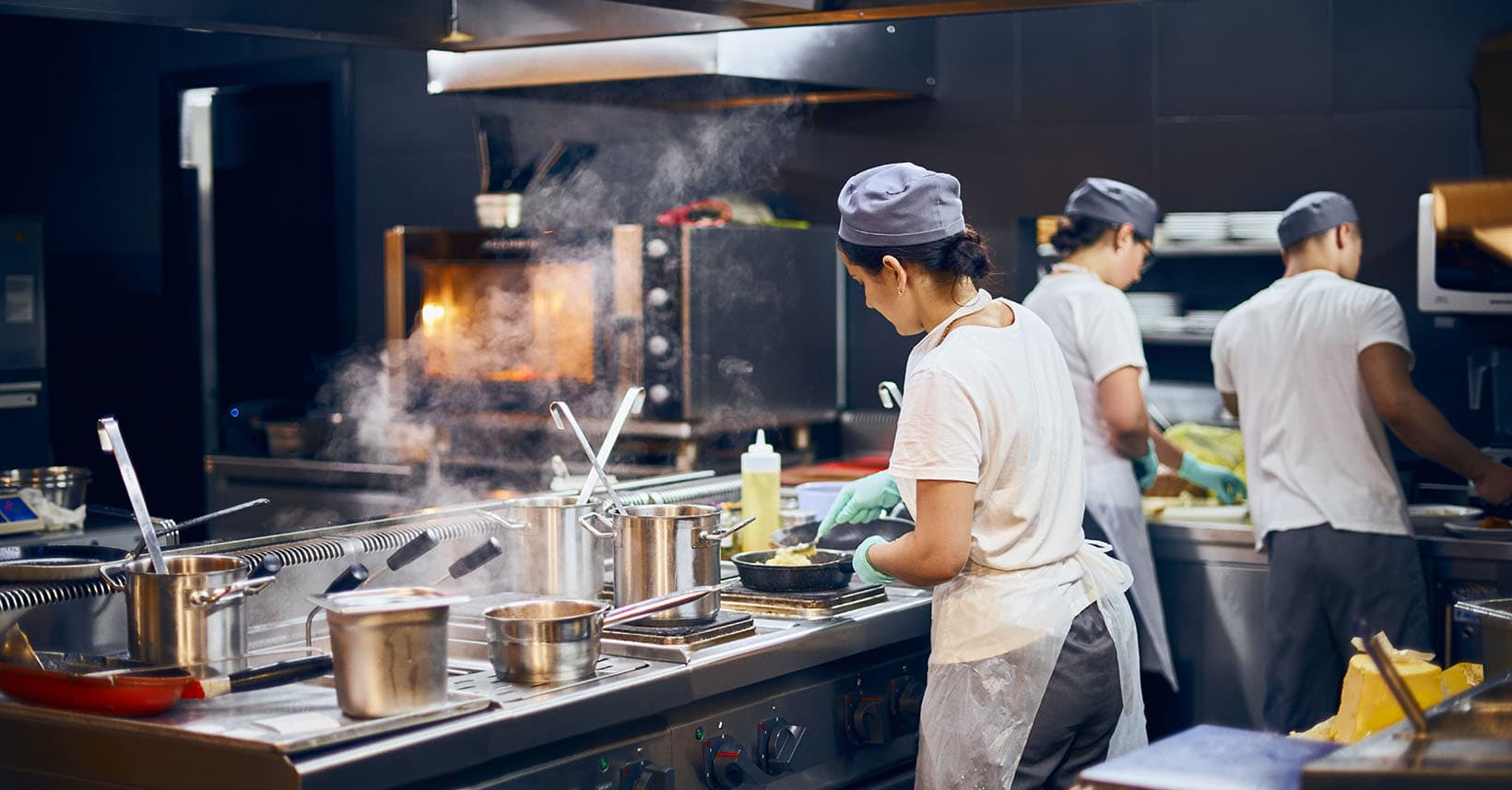
Image Source: info.ehl.edu
Deciphering the Ghost Kitchen Concept
A ghost kitchen is essentially a commercial cooking space dedicated solely to fulfilling online food orders. Think of it as a restaurant without the dining room. They operate entirely through digital channels like third-party apps (Uber Eats, DoorDash) or their own websites.
This setup is a smart way to run a food business today. It cuts down on many costs associated with a traditional restaurant. Since there’s no front-of-house staff, no fancy decor, and less real estate needed, the overhead shrinks significantly.
Core Features of a Dark Kitchen
These kitchens focus intensely on speed and efficiency for delivery. Here are the main things that define them:
- Delivery Focus: All sales come from off-premise dining.
- No Customer Facing Area: They lack dining rooms, host stands, or visible storefronts.
- Technology Driven: Success relies heavily on online ordering systems and kitchen management software.
- Optimized Space: The layout is built purely for food production and quick hand-off to delivery drivers.
Why Are Ghost Kitchens So Popular Now?
The rise of the ghost kitchen model is not random. Several major trends support its growth. The biggest driver is the massive jump in food delivery demand over the last decade.
The Delivery Revolution
Consumers now expect almost anything, including hot meals, delivered quickly. Third-party delivery apps made this expectation common. Ghost kitchens meet this demand perfectly because they are built for it from the ground up. They are the ultimate delivery-only restaurant.
Lower Barriers to Entry
Starting a regular restaurant is very expensive. You need a prime location, which means high rent. You need waiters, hosts, and a manager for the dining area. A dark kitchen avoids these huge upfront costs. This makes it much easier for new chefs or established brands to launch new concepts quickly.
Flexibility and Experimentation
A virtual restaurant offers unmatched flexibility. A single physical kitchen space can house several different food brands. If one brand isn’t working, the operator can quickly pivot to a new menu or concept without needing new permits or moving locations. This rapid testing ability is a huge advantage over brick-and-mortar spots.
Food Truck Alternative
For many aspiring chefs, a ghost kitchen serves as a great food truck alternative. While a truck offers mobility, a cloud kitchen provides more consistent production capacity and less day-to-day logistical hassle (like dealing with street permits or truck maintenance).
Types of Ghost Kitchen Setups
Not all ghost kitchens look the same. They come in various structures, depending on who owns and operates the space.
Independent Ghost Kitchens
This is a single brand operating out of a dedicated kitchen space. They might operate one or several delivery-only concepts from this single spot. They handle all aspects from cooking to marketing their specific brands online.
Commissary Kitchens and Shared Spaces
This setup involves a large food production facility divided into smaller, rented kitchen units. A central company manages the building, utilities, and sometimes even cleaning or shared equipment. Operators rent a unit within this facility. This is often called a shared kitchen space. It lowers the risk for smaller operators.
Multi-Brand or Virtual Brands
This is where one operator runs several different virtual brands from the same physical kitchen. For example, Kitchen A might simultaneously sell “Bob’s Burgers” and “Vegan Veggie Wraps.” Customers ordering from either concept see a different brand name online, but the food comes from the same location.
Commissary Kitchen Hubs (The Aggregator Model)
Large companies build massive warehouse-like structures filled entirely with individual kitchen pods dedicated to different operators. They act as landlords and service providers. Companies like CloudKitchens have popularized this large-scale approach, offering ready-to-go infrastructure.
| Kitchen Type | Description | Key Benefit |
|---|---|---|
| Independent | One brand operates one dedicated kitchen for delivery only. | Full control over the concept. |
| Shared Space | Multiple operators rent units in one large facility. | Lower upfront cost; shared overhead. |
| Multi-Brand | One operator runs several virtual brands from one kitchen. | Maximum menu diversity from one location. |
The Technology Powering Cloud Kitchens
The success of the cloud kitchen depends entirely on software and digital connectivity. Technology manages everything from the moment an order is placed until it reaches the customer.
Order Management Systems (OMS)
This software is the heart of the operation. It pulls orders in from all different platforms—the brand’s own website, DoorDash, Grubhub, etc.—and consolidates them into a single, easy-to-read ticket for the kitchen staff. Good OMS prevents errors caused by switching between multiple tablets.
Delivery Logistics
Ghost kitchens rely on third-party logistics (3PL) providers for the final mile. However, some larger operations are starting to use their own delivery fleets to save on commission fees and gain more control over the customer experience.
Data Analytics
Because everything is digital, ghost kitchen model operators have access to fantastic data. They can see exactly which menu items sell best, during which hours, and in which specific neighborhoods. This allows for hyper-targeted marketing and menu adjustments, something hard to do with a standard restaurant.
Financial Benefits of the Ghost Kitchen Model
The financial structure is often the most attractive part of this business style. It flips the traditional restaurant investment model upside down.
Reduced Capital Expenditure (CapEx)
Traditional restaurants require massive initial investment for build-out, furniture, and high-traffic retail leases. Ghost kitchens significantly reduce this CapEx. They often rent existing industrial or cheaper retail spaces, requiring only kitchen equipment installation.
Lower Operating Costs (OpEx)
Labor costs decrease because you don’t need front-of-house staff. Rent is often lower because location prestige matters less than proximity to delivery zones. This leaner cost structure directly impacts the bottom line.
Maximizing Kitchen Space
In a standard restaurant, the dining area might take up 60% of the square footage, while the kitchen is only 40%. In a ghost kitchen, 100% of the space is dedicated to food production facility output. Every square foot generates revenue through cooking, not through ambiance.
Challenges Facing Delivery-Only Restaurants
While the benefits are clear, operating a ghost kitchen is not without its difficulties. Success requires navigating new types of problems.
Dependence on Third-Party Platforms
Relying heavily on services like Uber Eats or DoorDash means giving up a significant chunk of revenue in commission fees (sometimes 20% to 30% per order). Building direct customer relationships is crucial to mitigate this cost.
Quality Control and Branding
Since customers never see the physical location, the brand experience is entirely dependent on the food quality, packaging, and speed of delivery. A cold meal or a messy delivery can instantly ruin the virtual restaurant‘s reputation, even if the cooking was perfect inside the commissary kitchen.
Location Strategy
Finding the right location is tricky. It must be centrally located to cover high-demand delivery zones but doesn’t need expensive foot traffic frontage. Analyzing delivery radius heat maps is key to site selection, turning real estate decisions into data science problems.
Market Saturation
As the concept booms, competition increases, especially within a dense shared kitchen space. Brands must fight harder online for visibility among dozens of other delivery-only menus operating nearby.
The Intersection of Ghost Kitchens and Traditional Restaurants
Ghost kitchens are not just for startups. Established brick-and-mortar restaurants are increasingly adopting this model.
Expanding Reach
A popular downtown restaurant might open a dark kitchen in a suburb where they have a strong customer base but no physical location. This allows them to serve a wider area without the massive cost of opening a second full dining room.
Testing New Concepts
If a pizza chain wants to launch a specialty taco line, they don’t need to renovate their existing stores. They can launch it as a virtual restaurant operating out of their existing back-of-house capacity during slow periods. This acts as low-risk market research.
Utilizing Idle Capacity
During off-peak hours, a traditional restaurant’s kitchen might be half-empty. A ghost kitchen brand can be set up to run during those specific hours, maximizing the use of staff and equipment that would otherwise sit idle.
Regulatory and Operational Hurdles
Operating a food production facility for delivery introduces unique regulatory questions.
Zoning and Licensing
Local governments are still catching up with the sheer number of these operations popping up. Zoning rules might classify them differently than traditional restaurants, sometimes leading to conflicts in industrial areas. Operators must ensure they comply with health department standards, even if they lack a customer entrance.
Packaging Innovation
Since the food travels further, packaging is critical. It must maintain temperature, prevent spillage, and ideally be sustainable. Poor packaging turns a perfectly cooked meal into a disappointing experience for the customer relying on off-premise dining.
Driver Management
Managing the flow of dozens of delivery drivers arriving at a non-public entrance requires efficient pickup protocols. A poorly organized pickup zone can lead to long waits, frustrated drivers, and delays that impact food quality. Some cloud kitchen operators build dedicated staging areas just for driver pickups.
Future Trajectories for Ghost Kitchens
The evolution of the ghost kitchen model is far from over. We expect continued innovation in several areas.
Hyper-Specialization
We will see kitchens focusing on extremely narrow niches that couldn’t support a full restaurant but thrive online (e.g., gourmet grilled cheese only, specific regional desserts).
The Rise of “Ghost Malls”
Massive warehouse hubs dedicated entirely to dark kitchen operations will become more common. These “malls” will offer centralized services like shared cold storage, specialized deep cleaning, and dedicated driver waiting areas.
Integration of Automation
As technology improves, we might see more automation inside these kitchens, especially for repetitive tasks like portioning or order assembly, further reducing labor needs within the food production facility.
Direct-to-Consumer Focus
To combat high commission fees, more brands will invest heavily in building their own ordering apps and loyalty programs, moving away from exclusive reliance on third-party platforms.
Frequently Asked Questions (FAQ)
Is a ghost kitchen just a catering business?
No. While there is overlap in food preparation, a ghost kitchen focuses on immediate, individual consumer orders delivered directly, often managed through apps. Catering focuses on large, pre-booked orders for events or offices.
What is the difference between a dark kitchen and a cloud kitchen?
These terms are largely interchangeable. Both refer to delivery-only cooking operations. Some use “cloud kitchen” to emphasize the reliance on digital ordering, while “dark kitchen” highlights the lack of public visibility.
Can I open a ghost kitchen from my home kitchen?
Generally, no. Health and safety regulations require commercial kitchens (food production facility) for preparing food for sale to the public, even if it’s delivery only. You need proper permitting and commercial-grade equipment.
How do I choose a location for my virtual restaurant?
Location selection is based on delivery radius data, not foot traffic. You need to be within a 3-5 mile radius of your target customer base to ensure fast delivery times. Proximity to major delivery hubs or busy residential areas is key for a delivery-only restaurant.
Are ghost kitchens cheaper than traditional restaurants?
Yes, significantly. The primary savings come from eliminating dining room costs (rent, furniture, front-of-house staff) and often securing lower-cost real estate outside of prime retail areas. This leaner setup defines the ghost kitchen model.