
The best kitchen countertop material depends on your budget, lifestyle, and aesthetic preferences, as there are many excellent choices available today. Choosing the right countertop is a major decision for any kitchen renovation or build. It affects how your kitchen looks, how you use it, and how much work you need to do to keep it nice. This guide breaks down the most popular options to help you decide what is right for your home. We will look closely at materials ranging from traditional favorites to modern innovations, comparing their strengths and weaknesses.
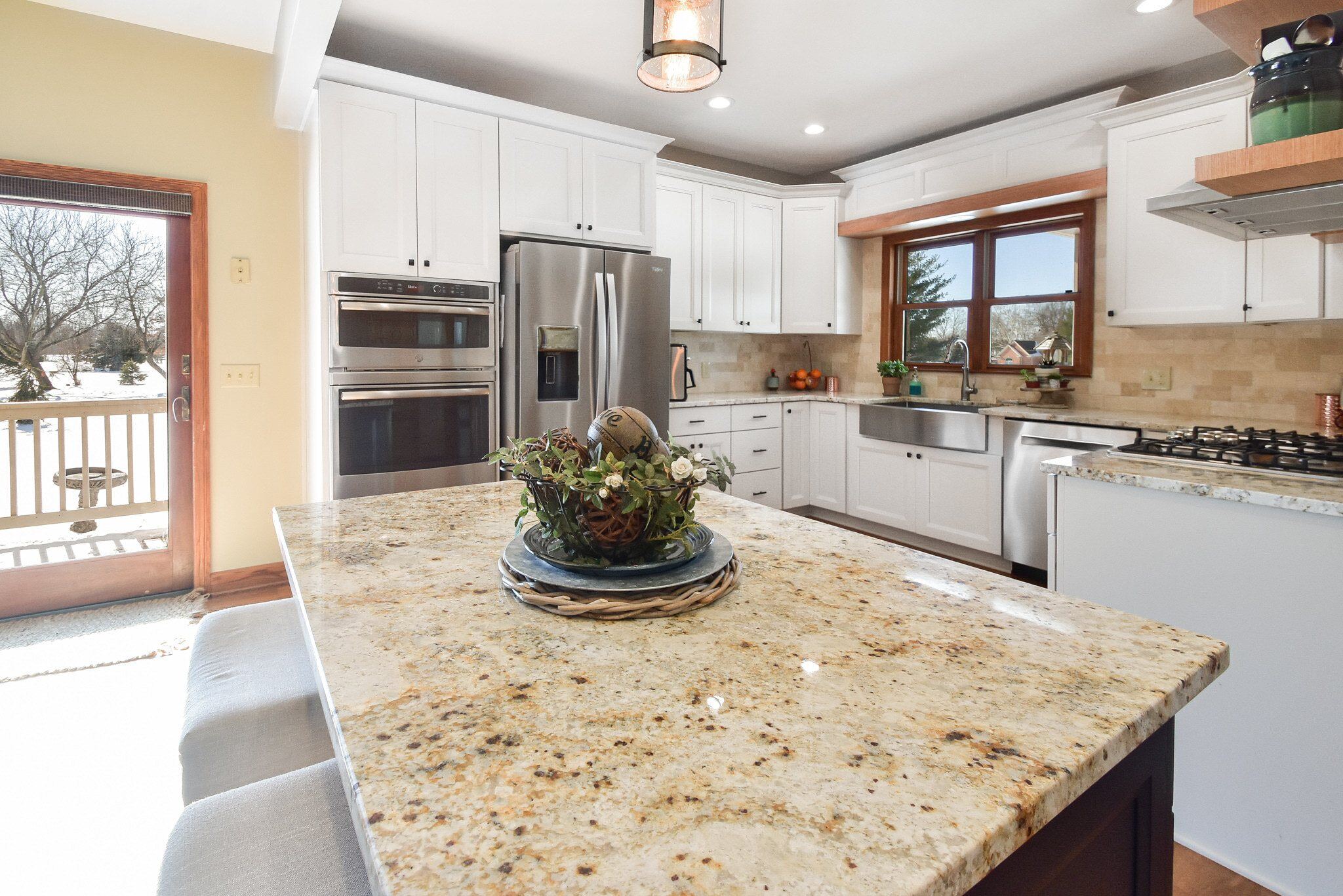
Image Source: www.jsbhomesolutions.com
Deciphering Top Kitchen Countertop Materials
Selecting the best kitchen countertop material involves balancing cost, looks, and toughness. No single material is perfect for everyone. Think about how often you cook. Do you need something super tough? Are you trying to save money? Your answers will guide you toward the right choice.
Quartz Countertops: Engineered for Excellence
Quartz has become incredibly popular. It is an engineered stone. This means it is made from natural quartz minerals mixed with resins and pigments.
Pros of Quartz:
- Non-Porous: Liquids cannot soak in. This makes it highly stain-resistant.
- Consistent Look: Since it is manufactured, you get the exact color and pattern you choose.
- Low Maintenance: It never needs sealing. Wiping it clean is usually enough.
- Durability: Quartz is very strong and resistant to chipping.
Cons of Quartz:
- Heat Sensitivity: Extreme heat can damage the resin binder. Always use trivets.
- Cost: It tends to be more expensive than laminate or some basic solid surface options.
Quartz offers a great balance, often rivaling natural stone in looks without the high upkeep. It is one of the most durable kitchen countertops available today.
Granite Countertops: Nature’s Unique Beauty
Granite is a natural stone mined from quarries. Every slab is unique. No two pieces are exactly alike in color or veining.
Pros of Granite:
- Heat Resistance: Granite handles hot pots and pans well without damage.
- Value: It holds its resale value well in a home.
- Natural Look: Its unique patterns add character to any kitchen.
Cons of Granite:
- Porous Nature: Granite needs regular sealing (usually once a year) to prevent stains from setting in. If you skip sealing, spills can become permanent marks.
- Irregularity: You must choose the exact slab you want installed, as colors vary widely.
- Hardness: While hard, it can chip if hit very hard on an edge.
When weighing granite vs quartz countertops, remember granite requires upkeep, while quartz does not.
Solid Surface Countertops: Seamless Style
Solid surface materials, like Corian, are made from acrylic or polyester resins and minerals. They are known for their seamless look.
Pros of Solid Surface Countertops:
- Seamless Integration: Seams are virtually invisible, especially when integrated with sinks.
- Repairable: Scratches and minor burns can often be buffed out by a professional.
- Hygienic: Because they are non-porous, they do not harbor germs easily.
Cons of Solid Surface Countertops:
- Scratching: They scratch more easily than stone or quartz.
- Heat Damage: Like quartz, they can be damaged by high heat.
These fit well in kitchens where a clean, uniform look is key. They are good examples of low-maintenance kitchen counters.
Laminate Countertops: Budget-Friendly Workhorse
Laminate is made by layering paper or fabric under clear plastic, bonded to particleboard. It remains a top pick for affordable kitchen countertop options.
Pros of Laminate:
- Cost: It is the least expensive option upfront.
- Variety: It comes in thousands of colors, patterns, and even looks like stone or wood.
- Easy Cleaning: Just soap and water usually work fine.
Cons of Laminate:
- Durability Issues: It is not heat resistant. Hot pans will melt or scorch it. Cutting directly on it will scratch the surface layer off.
- Water Damage: If water gets into the seams or edges, the particleboard core can swell and ruin the counter.
Butcher Block Kitchen Countertops: Warmth and Function
Butcher block is made from strips of wood glued together. It brings a warm, natural feel to the kitchen.
Pros of Butcher Block Kitchen Countertops Pros and Cons:
- Aesthetics: It looks fantastic and feels warm to the touch.
- Repairable: Deep scratches or stains can be sanded out.
- Usable Surface: You can chop right on the wood if it is properly sealed (usually with food-grade mineral oil).
Cons of Butcher Block Kitchen Countertops Pros and Cons:
- Maintenance Heavy: Oiling and sealing are required regularly to prevent drying, cracking, and bacterial growth.
- Water Sensitivity: It must be sealed well around sinks to prevent water damage.
- Staining: Dark liquids like red wine or beet juice can stain if not wiped up fast.
Fathoming High-End and Specialized Materials
For those looking for something unique or extremely specialized, there are several high-end kitchen countertop materials that offer exceptional performance or appearance.
Marble: Timeless Elegance
Marble is highly prized for its classic, veined beauty. It is often seen in luxury homes.
- Beauty: Nothing truly matches the look of natural marble.
- Challenging Maintenance: Marble is relatively soft. It etches easily from acidic liquids (like lemon juice or vinegar) and stains readily. It needs sealing and careful use.
Soapstone: The Classic Workhorse
Soapstone has a smooth, slightly velvety feel. It is an excellent choice for those prioritizing function over spotless looks.
- Natural Look: It darkens over time, often turning a deep charcoal gray or black.
- Stain Resistance: It is naturally non-porous and highly resistant to most household chemicals. It does not require sealing.
- Maintenance: It can scratch, but scratches blend in easily. Many people choose to oil it periodically to keep a rich, dark color.
Soapstone is considered one of the best chemical resistant kitchen countertops because it handles harsh cleaners well compared to materials like quartz or granite.
Concrete Countertops: Industrial Chic
Concrete counters are custom-made, allowing for unique colors, textures, and embedded elements.
- Customization: They can be molded into almost any shape.
- Durability: They are very hard and can handle heat well.
- Sealing Required: Concrete is porous and must be sealed properly to prevent stains and etching from acids. Sealing often needs yearly attention.
Glass Countertops: Modern and Light
Made from tempered glass, these offer a sleek, modern appearance. They can be clear, frosted, or colored.
- Visual Interest: They reflect light, making small kitchens feel larger.
- Cleaning: Fingerprints show easily, requiring frequent wiping.
- Safety: They must be thick (usually 1.5 inches) and properly installed to be safe.
Comparing Key Countertop Features
To help you narrow down your choices, here is a comparison focusing on the most important aspects homeowners look for.
| Material | Average Cost (Per Sq. Ft. Installed) | Maintenance Needs | Heat Resistance | Stain Resistance |
|---|---|---|---|---|
| Laminate | \$25 – \$75 | Very Low | Poor | Moderate |
| Butcher Block | \$50 – \$150 | High (Frequent Oiling) | Moderate | Low |
| Solid Surface | \$70 – \$150 | Low | Poor | High |
| Quartz | \$75 – \$160 | Very Low (No Sealing) | Moderate | Very High |
| Granite | \$75 – \$200 | Moderate (Annual Sealing) | Very High | Moderate to High |
| Soapstone | \$90 – \$175 | Low to Moderate (Oiling Optional) | Very High | High |
| Marble | \$100 – \$250+ | Very High (Sealing & Care) | High | Low |
| Concrete | \$125 – \$250+ | Moderate (Periodic Sealing) | Very High | Moderate (Depends on Seal) |
Focusing on Practicality: Maintenance and Durability
When selecting the best kitchen countertop material, practicality often trumps pure aesthetics for busy families.
Low-Maintenance Kitchen Counters
If you want a countertop that looks great with minimal effort, focus on these characteristics:
- Non-Porous Surfaces: Materials like quartz and solid surfaces do not allow liquids to seep in. This means no routine sealing is required.
- Scratch Resistance: Harder materials resist daily wear and tear better. Quartz and granite generally perform well here.
For many homeowners, quartz stands out as the leading choice for low-maintenance kitchen counters because it offers the look of natural stone without the need for sealing or worrying about acid etching.
Achieving High Durability
Durable kitchen countertops must withstand several common kitchen hazards:
- Impact: Dropping a heavy pot near an edge can cause chipping. Thicker materials generally handle impact better.
- Heat: Constant exposure to heat from ovens or stovetops requires materials like granite, concrete, or quartz (though resin in quartz can scorch).
- Chemicals: If you use strong cleaning agents, you need a chemical resistant kitchen countertop. Soapstone and quartz are excellent in this regard. Marble, conversely, reacts poorly to many common cleaners.
The Financial Aspect: Cost Considerations
Cost is a major factor. Your budget dictates whether you look at affordable kitchen countertop options or invest in high-end kitchen countertop materials.
Budgeting for Your Kitchen
For the tightest budgets, laminate is the clear winner. However, if you can stretch your budget slightly, consider upgrading to a good quality solid surface or basic-grade granite/quartz. The long-term cost of replacing a damaged budget counter might exceed the initial savings.
Comparing Installation Costs
The price of the material is only part of the final cost. Installation adds significant expense, especially for materials that are heavy or require specialized cutting.
- Heavy Materials (Granite, Quartz, Marble): These require professional handling and specialized tools for safe transport and fitting. This drives up the kitchen countertop installation guide costs.
- Laminate and Solid Surface: These are lighter and easier for professional installers to handle, sometimes leading to lower installation fees.
Fathoming the Installation Process
A successful countertop starts with proper installation. The kitchen countertop installation guide varies dramatically based on the material chosen.
Professional Installation vs. DIY
For natural stone (granite, marble) and engineered stone (quartz), professional installation is strongly recommended. These materials are extremely heavy and fragile until perfectly set in place. A small mistake in leveling or sealing seams can lead to cracking later.
For laminate, basic DIY installation is achievable for handy homeowners, though cutting openings for sinks and cooktops precisely can still be tricky. Butcher block can also be a manageable DIY project if you have the right woodworking tools for accurate cuts.
Preparing the Base Cabinets
Before any material is set, the underlying base cabinets must be perfectly level and structurally sound. Any unevenness in the cabinets will translate directly into stress points on the countertop slab, increasing the risk of cracking later, especially with brittle materials like quartz or stone.
Detailed Look at Butcher Block: Weighing the Trade-Offs
Because butcher block kitchen countertops pros and cons are so distinct—offering unique warmth but demanding attention—it deserves a closer look.
End Grain vs. Edge Grain Butcher Block:
- Edge Grain: Strips of wood run parallel to the length of the counter. This is stronger for general use but less ideal for heavy chopping.
- End Grain: The ends of the wood blocks face up, creating a checkerboard look. This is the preferred surface for serious chopping because the knife edge slips between the wood fibers rather than cutting across them. This is significantly better for blade care but requires more diligent sealing upkeep.
When using butcher block, decide if you want a “working” top (oil finished, requires constant care) or a “decorative” top (varnish or polyurethane sealed, low maintenance, cannot be used for cutting).
Granite vs. Quartz Countertops: The Modern Showdown
This comparison is perhaps the most common debate today. Both are premium choices.
Quartz (Engineered):
Quartz mimics natural stone beautifully but eliminates nature’s flaws. Its primary benefit is uniformity and zero porosity. If you need a specific shade of white or gray that perfectly matches your cabinets, quartz delivers consistency that granite simply cannot guarantee.
Granite (Natural):
Granite offers organic movement and depth that manufacturing cannot fully replicate. If you want a piece of natural art in your kitchen, granite is the way to go. Its superior heat resistance is a bonus for cooks who often pull hot trays from the oven directly onto the counter (though trivets are always recommended).
Solid Surface Countertops for Kitchens: The Seamless Appeal
Solid surface countertops for kitchens shine in specific scenarios, particularly renovation projects aiming for a very sleek, modern, or highly customized look. They are often used in commercial settings (like labs or hospitals) due to their non-porous nature, which contributes to hygiene. For residential use, the main draw is the ability to seamlessly join multiple pieces together, making the whole counter look like one continuous piece of material.
Final Considerations for Your Choice
- Resale Value: Natural stone (granite, marble) and high-quality quartz tend to offer the best return on investment if you plan to sell your home soon.
- Light Reflection: Darker, polished materials make a kitchen feel sophisticated but can show every crumb and smudge. Lighter, matte finishes hide dust and minor marks better.
- Edge Profile: The edge you choose (e.g., eased, bullnose, ogee) affects both the look and the cost. Complex edges add labor time and expense to the kitchen countertop installation guide.
Choosing the best kitchen countertop material is a personal journey. Weigh your needs for maintenance, durability, budget, and style. Whether you opt for the engineered strength of quartz, the natural beauty of granite, or the warmth of butcher block, selecting the right surface enhances your kitchen experience for years to come.
Frequently Asked Questions (FAQ)
Q: Which kitchen countertop material is the absolute cheapest?
A: Laminate countertops are consistently the most affordable kitchen countertop options.
Q: Can I put a very hot pan directly onto my new countertop?
A: You should avoid this with almost all materials. While granite and concrete are very heat tolerant, materials containing resin, like quartz and solid surface, can discolor or scorch. Always use a hot pad or trivet.
Q: Which countertops are the easiest to clean and require the least upkeep?
A: Quartz is often cited as the easiest due to being non-porous and never needing sealing, making it a top choice for low-maintenance kitchen counters.
Q: Are marble countertops practical for busy family kitchens?
A: No, marble is generally not practical for very busy families. It scratches and etches easily from common kitchen acids, requiring constant care to maintain its pristine look.
Q: What is the key difference when comparing granite vs quartz countertops regarding maintenance?
A: Granite requires periodic sealing (usually yearly) to prevent stains because it is porous, whereas quartz is engineered to be non-porous and never requires sealing.